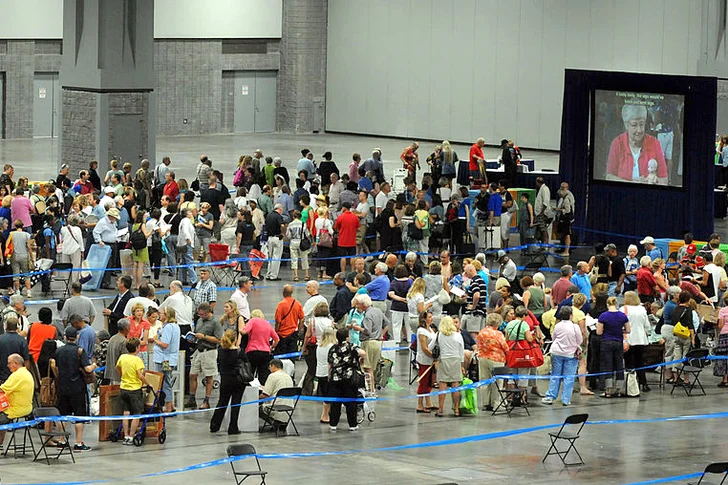
Growing up in the late '90s, chances were high that your parents had Antiques Roadshow playing in the background while cooking dinner. The still-airing show — famous for bringing the antiques appraisal business into people's homes — isn't as squeaky clean as its sanitized subject implies. In fact, Antiques Roadshow appraisers' scandals and continuous fraud affairs linger in the background of the show's uncovered histories. Take some time to peel back the curtain on America's favorite traveling program and see what dishonorable things lurk at the corners of your screen.
Antiques Roadshow's First Major Scandal
Antiques Roadshow is still one of PBS's most famous educational programs. With thousands of hours of tape and countless appraisals made across the globe, the show has become a beloved late-night staple. Yet, everything isn't as squeaky clean as it appears behind the scenes.
Pritchard and Juno's Civil War Thievery and Deception
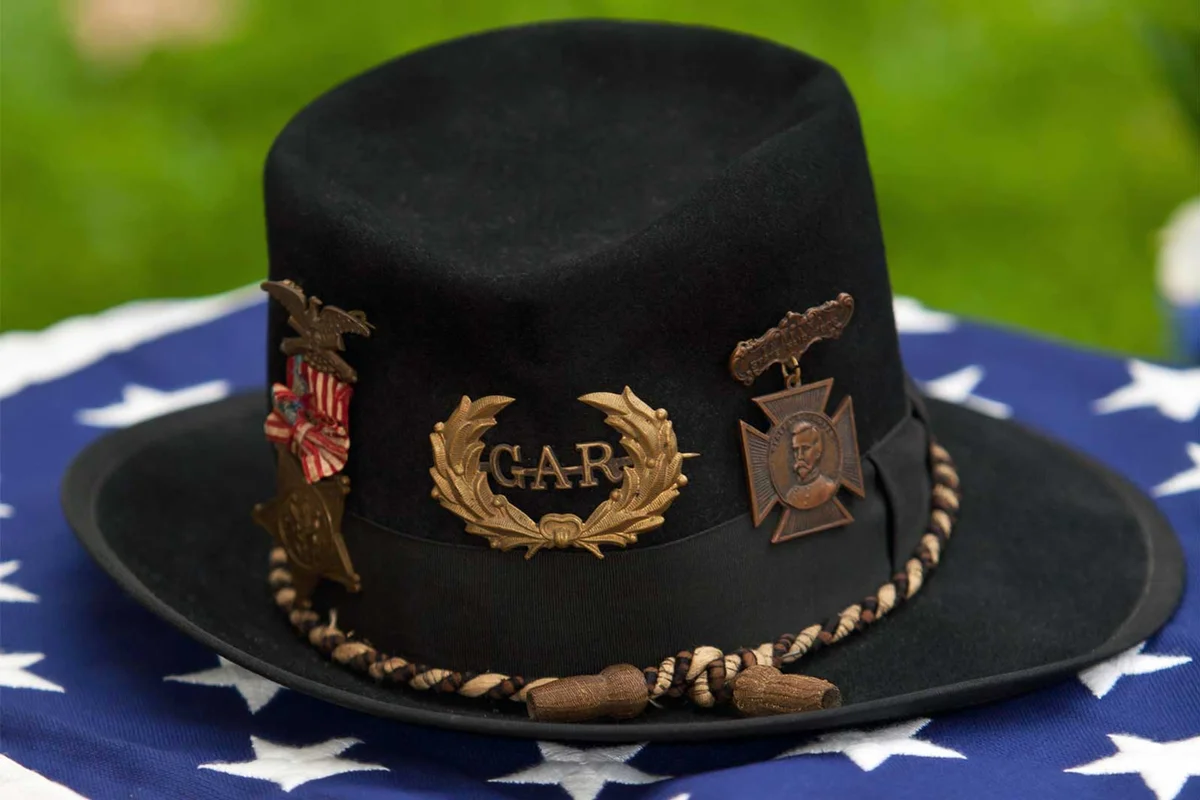
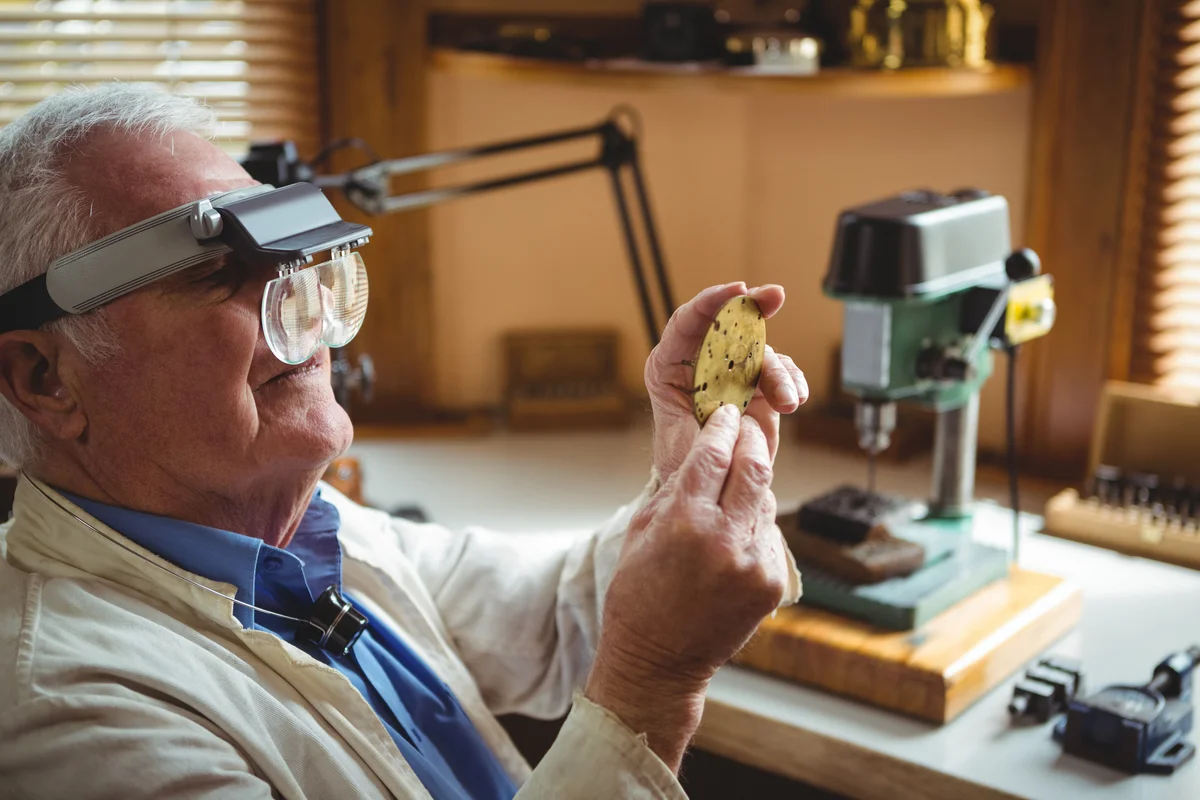
Russell Pritchard III and George Juno were an unsuspecting duo frequently appearing as Civil War appraisers on the program, and were later charged and indicted on several counts of theft and fraud. Interestingly, these two used Antiques Roadshow as a platform to give themselves greater credibility as Civil War appraisers.
The Antiques Roadshow team cut ties with the duo once they discovered some of their on-air appraisals were staged. Among these was a sword brought in by a Mr. Sadtler. While the sword was authentic, its owner wasn't actually Mr. Sadtler — a man who turned out to have gone to high school with Pritchard.
The duo then reportedly defrauded one family out of their Gettysburg-related heirlooms under the guise of Pritchard purchasing the items as a representative of the Harrisburg National Civil War Museum. Unfortunately for Gen. George Pickett's descendants, there was no offer from a museum, and their heirlooms are believed to have been privately sold for well over the original offer.
Similarly, the two also worked together to steal a Zouave uniform from an actual museum's collections in order to replace it with a similar Belgian uniform so that they could sell the original to a private collector.
Fast Fact
Gen. George Pickett's great-great grandson launched a civil suit against Pritchard in 1999 and won $800,000 in damages.
Antiques Roadshow Does Damage Control
When the duo's story first aired, Antiques Roadshow was in its second season, and the scandal threatened its popularity. Producers for the show moved quickly to address the problem. They wanted to make sure that these false appraisals were isolated incidents and that the show's credibility remained intact.
The producers opted to deal with the issue publicly. They explained to viewers through various media outlets that the show didn't approve of the decision to sign these two appraisers. Mr. Juno and Mr. Pritchard were then banned from the show.
The show also enacted a few new policies regarding appraisers to prevent this type of situation from happening again. Going forward, the show's appraisers had to undergo extensive training and background checks. Additionally, the show's producers also began requiring signed contracts, indicating that no such staging would happen in the future. Investigations also indicated that only those two appraisals were staged in the show's first season.
Additional Scandals From Subsequent Seasons
Unfortunately for the famous PBS program, the Pritchard and Juno incident wasn't the last scandal to ding the show's reputation and ratings. Two relatively recent scandals illustrate how the waters haven't always been smooth sailing for the popular broadcast.
Keno Brothers' Improper Bidding
The popular, heavily featured Antiques Roadshow appraisal duo, twins Leigh and Leslie Keno, were accused of improper bidding and failing to pay for their winning bids at two separate auction houses in 2016. The brothers bet against each other in both New Orleans and Philadelphia, significantly raising the prices of goods like furniture and paintings, and then failed to make the steep payments on their collective wins.
While there doesn't seem to be any reported resolution to the lawsuit that was filed for the unpaid sum, it appears as though the brothers haven't faced any repercussions from the network itself. In fact, they still seem to be giving appraisals on the hit tv show as of 2021.
High School Project Appraisal Failure
Also in 2016, antiques appraiser Stephen Foster was criticized for his $50,000 appraisal of a 1970s high school pottery project. Alvin Barr, the man who'd purchased this 'Grotesque Face Jug,' bought it for a mere $300. When Foster looked it over, he concluded that it was "probably late 19th or early 20th century" and that it was likely worth "$30,000 to $50,000" in a retail setting. Unfortunately for Barr, a friend of the unsigned artist recognized the mug as Betsy Soule's high school piece.
Soule notified the show, and they corrected their appraisal to $3,000 to $5,000, making it a far cry from the original value. Despite Fletcher's good spirits about his mistake, this mishap could hint at other mistaken appraisals from past episodes that've gone unnoticed.
Antiques Roadshow Survives the Scrutiny
In spite of the multiple scandals, Antiques Roadshow continues to not only survive but thrive. With 29 seasons and counting for the American program, fans refuse to give up on their appointment TV. And if the upcoming 30th season of Antiques Roadshow is anything to go off of, we'd say the network isn't ready to let go of it either — scandal or no scandal.